About DDQX Learning
Think like a physician before you become one.
Medical training gives learners an extraordinary amount of information. Knowing how to organize it, recognize what matters, and use it to make a decision are separate skills.
DDQX Learning's focus is teaching those skills.
We help premedical students, medical students, residents, and applicants develop the reasoning, strategy, and learning habits needed throughout the White Coat Journey.
At the center of our work is a simple belief:
Clinical reasoning can be taught, practiced, and improved.

Why DDQX Learning Exists
Medical knowledge keeps growing. Learners still need a way to make sense of it.
Today’s learners can access lectures, question banks, flashcards, videos, review books, AI tools, advisors, and online groups almost instantly. The problem is no longer access to information. It is deciding which helps now.
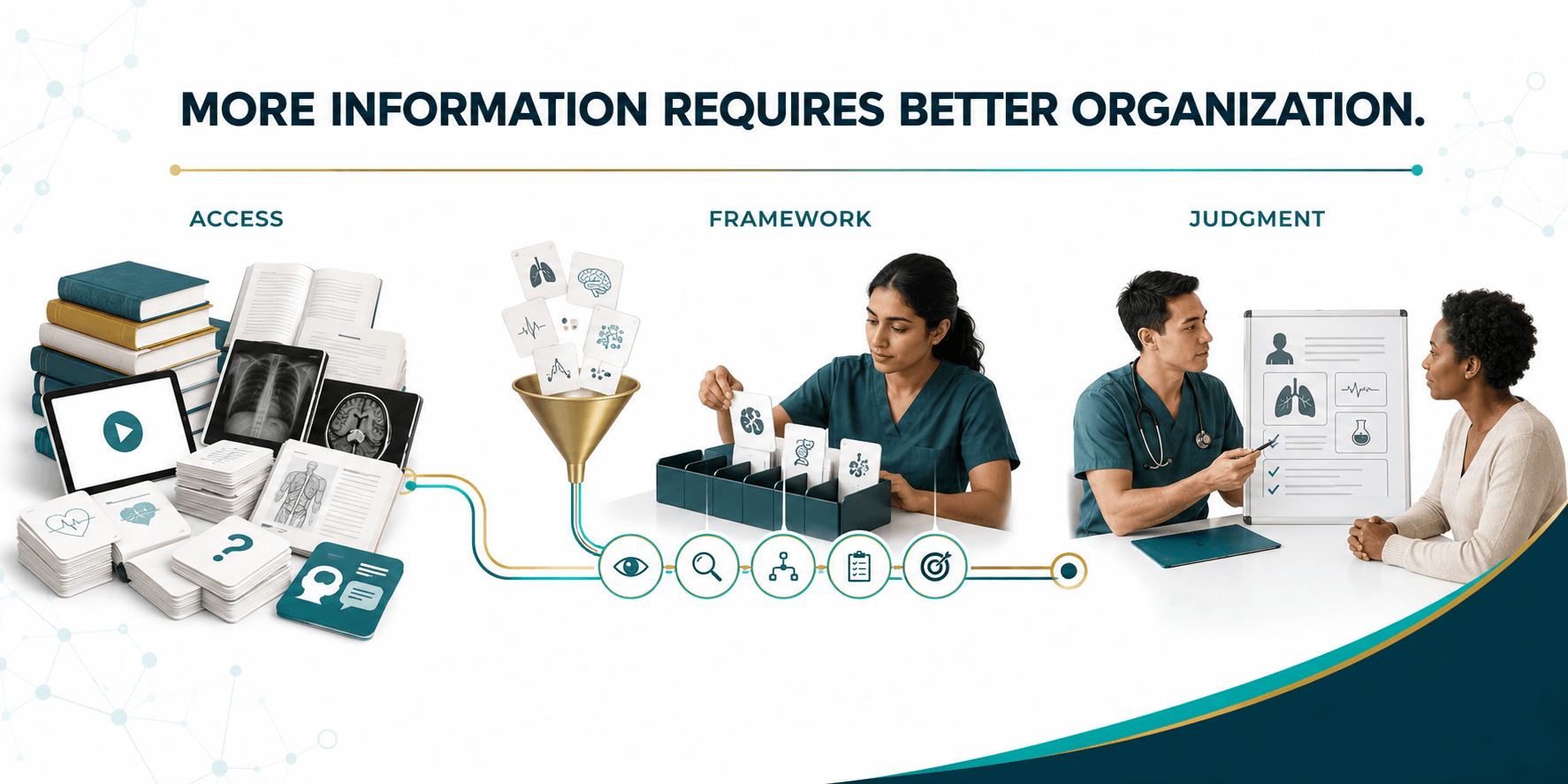
DDQX was built to make that process more explicit — We teach learners how to identify key information, frame the problem, anticipate what happens next, make a disciplined decision, and learn from the result.
Those habits matter on exams, during clinical training, and ultimately at the bedside.
Our Philosophy of Teaching

DDQX Learning develops educational methods around our five core principles:
Clinical reasoning is trainable.
Learners can improve how they prioritize information, recognize patterns, compare alternatives, and make decisions under uncertainty.
Prediction strengthens understanding.
Trying to anticipate the diagnosis, next step, or best answer before seeing the available choices exposes the quality of the reasoning behind a decision.
Errors should change future behavior.
Review becomes more useful when learners determine why they missed something and what they will do when the concept next appears.
Learning should become increasingly transferable.
A strong educational method should help a learner with more than the question immediately in front of them. It should create a pattern they can recognize and use again.
Curiosity remains part of clinical excellence.
Medicine rewards learners who continue asking why a finding occurred, what else could explain it, and what information would change their thinking.
A Learning System Across the White Coat Journey
Medical training changes dramatically from one stage to the next.
The reasoning required for an MCAT passage differs from the reasoning required during Step 2 CK. Writing a medical school personal statement requires a different process from presenting a patient on rounds. Preparing for Step 3 during residency creates challenges that an M1 has never encountered.
DDQX Learning is the only company that will stick with you through those transitions.
Each stage has its own pressures, goals, and educational needs.
Rather than asking learners to choose from a disconnected menu of tutoring services or an unfamiliar list of educational products, DDQX Learning begins with the more useful:
Where are you in the journey, and what is making progress difficult right now?
From there, learners can access the reasoning frameworks, educational resources, and level of support appropriate to that stage.

How DDQX Supports Learners
DDQX meets you where you are, not where you're expected to be.

Free Learning Resources
Articles, guides, cases, and tools that allow learners to begin applying DDQX concepts independently.
Personalized Score & Strategy Reports
Focused written analysis designed to help learners understand a specific performance, application, study, or readiness problem and identify actionable next steps.
Coaching & Tutoring
Individualized guidance for learners who need help diagnosing a problem, developing a strategy, practicing reasoning, improving performance, or navigating a high-stakes transition.
Courses & Community
Structured learning experiences that teach DDQX methods and allow learners to build new reasoning and performance habits through guided practice.
Our format may change, but the goal remains:
make the thinking process visible enough that it can be practiced and improved.
The Methods Behind DDQX Learning
DDQX develops practical learning methods for various portions of the medical education process.
Together, they reflect the larger DDQX philosophy: organize knowledge, train reasoning, prepare deliberately, and keep learning long enough for those skills to become durable.
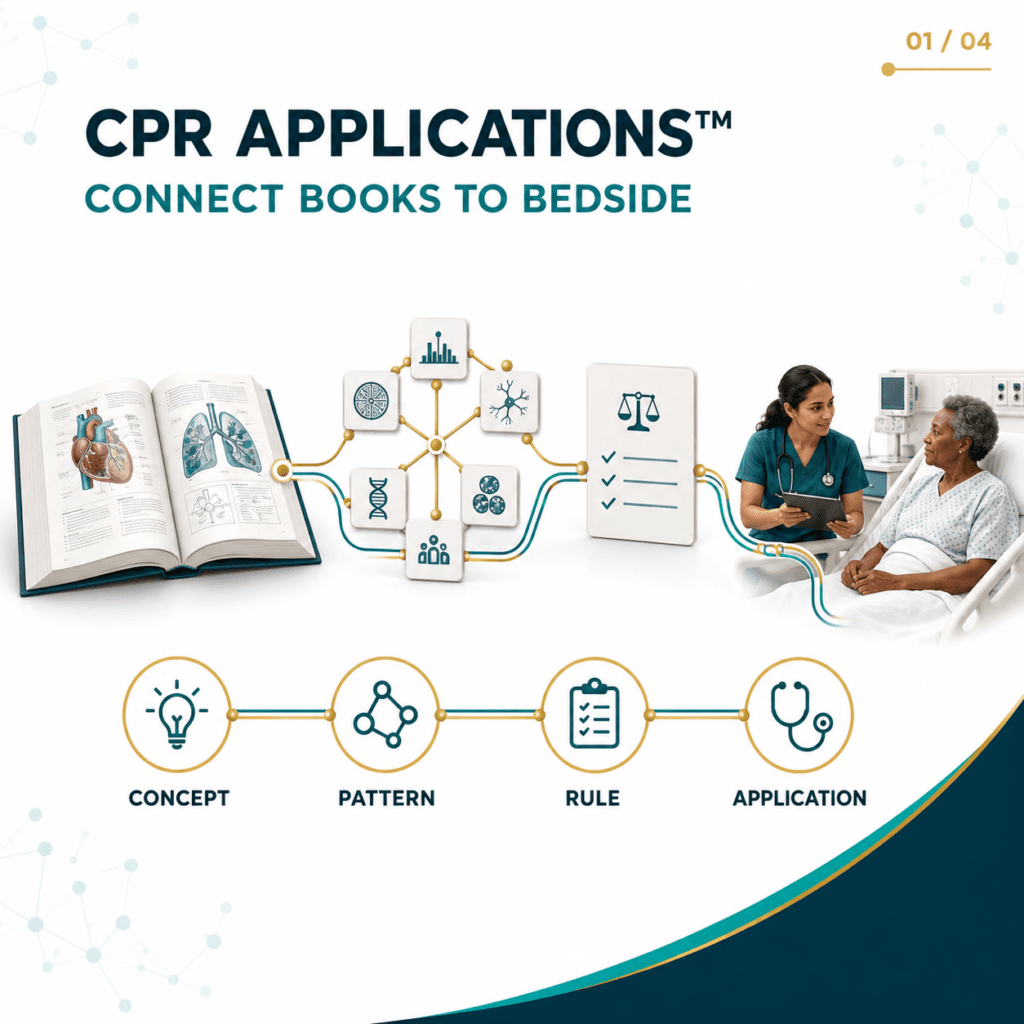
Medical knowledge becomes more useful when facts are connected rather than stored in isolation.
CPR Applications™ provides a framework for intentionally building those connections:
Concept → Pattern → Rule → Applications
Learners begin with the underlying mechanism, recognize how that concept tends to appear, extract useful decision rules, and connect those rules to clinical applications. The goal is to build a mental map of medicine that makes new information easier to place, retrieve, and transfer to unfamiliar problems.
Once knowledge is organized, learners need a reliable way to use it.
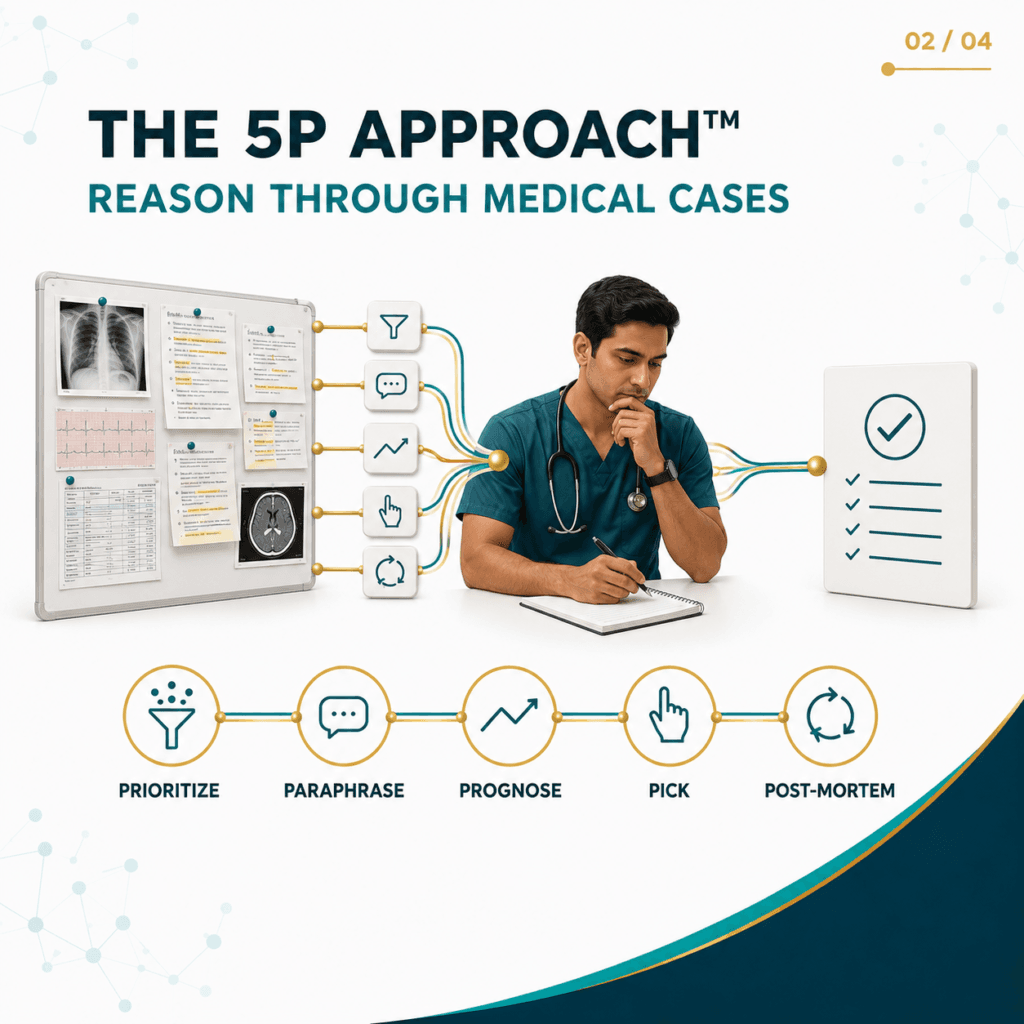
The 5P Approach™ provides a repeatable process for working through clinical vignettes:
Prioritize → Paraphrase → Prognose → Pick →
Post-Mortem
Learners identify the information that matters, clarify the problem, predict what comes next, make a disciplined choice, and then use the outcome to improve future reasoning. Repeated practice helps turn an exam strategy into clinical problem-solving.
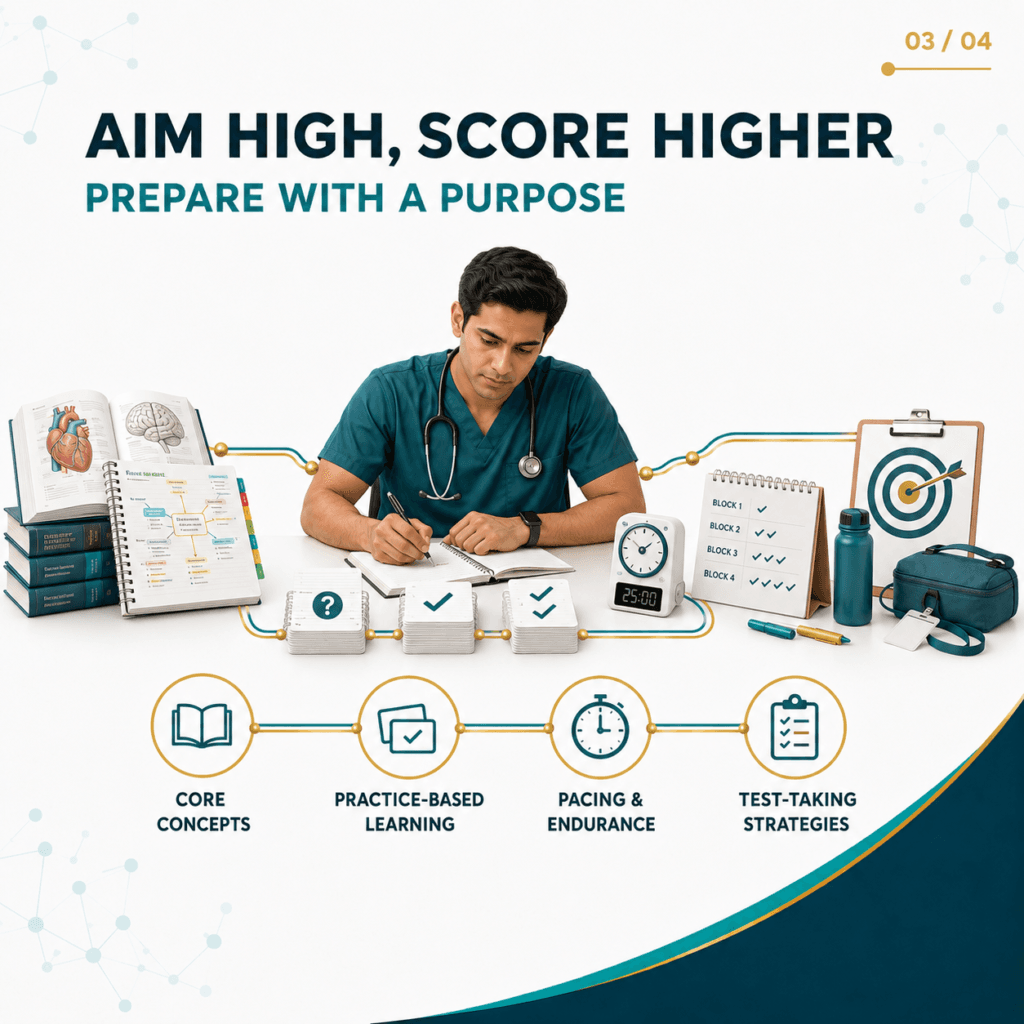
The study methods that build knowledge early in preparation are different from those needed to develop speed, stamina, and test-day execution later.
Aim High, Score Higher organizes preparation into four distinct stages:
Capturing Core Concepts → Practice-Based Learning → Pacing & Endurance → Test-Taking Strategies
The framework helps learners identify what they should be working on now, what comes next, and when to shift their focus as preparation progresses.
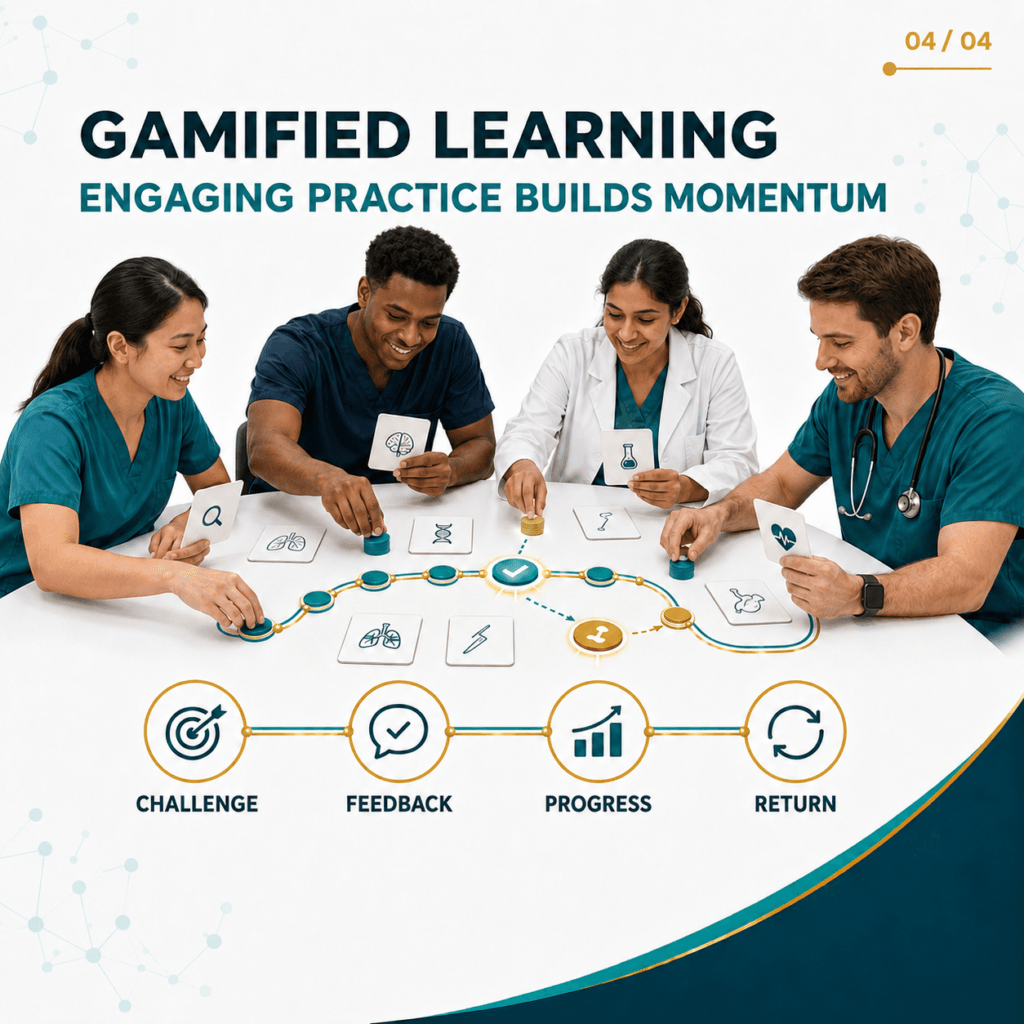
Learning medicine requires repetition, and repetition can become difficult to sustain.
DDQX incorporates gamified learning where it can make practice more engaging and rewarding:
Case challenges, trivia, progress feedback, friendly competition, and other interactive elements give our learners additional reasons to return, participate, and keep practicing.
The purpose is not to turn medical education into a game. It is to use thoughtful elements of game design to encourage the consistency required for difficult skills to develop over time.
Built by Educators Who Understand the Journey
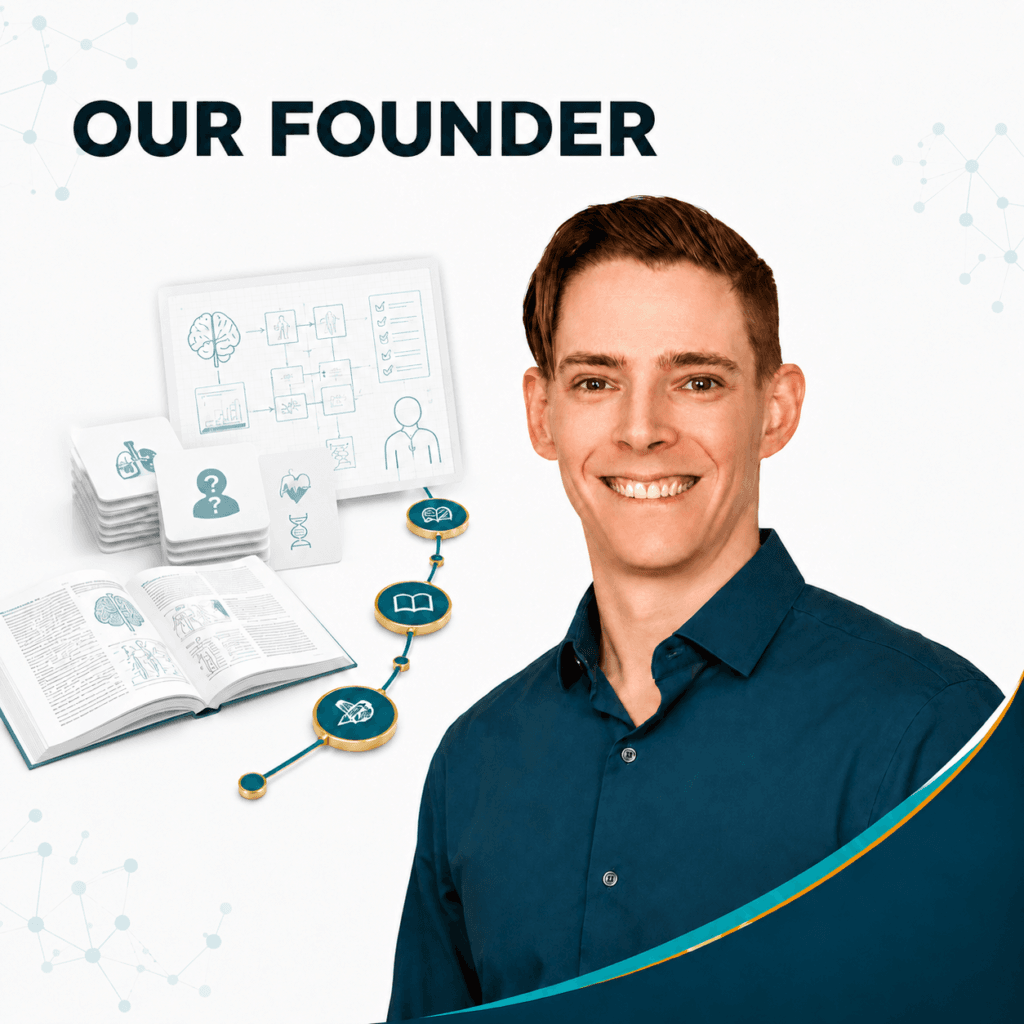
DDQX Learning was founded by physician educator Brandon Deason, MD, after years of teaching, tutoring, writing medical questions, developing curricula, and studying the recurring problems learners encounter.
That work led to a broader question:
What would medical education look like if we taught the process of reasoning as explicitly as we teach the information itself?
Dr. Deason's story, teaching philosophy, and the experiences that led to the development of DDQX are explored separately on the Meet Our Founder page.
Help learners develop the knowledge, skills, and habits required to think more effectively throughout medical training.
DDQX helps learners develop skills that remain useful after the next test, application, or rotation is over.
Standardized exams, admissions decisions, and clinical evals matter, but those moments sit within a much longer process of becoming a physician.
We want learners to become better at recognizing important information, explaining their reasoning, making decisions, and adapting from mistakes.


Medical education will deliberately teach clinical reasoning from the beginning.
As medical education changes, including the growing role of AI, the ability to ask good questions, recognize patterns, evaluate evidence, and reason through uncertainty will become even more important.
Medical students should not have to spend years trying to reverse-engineer how clinicians think.
Those cognitive habits can be introduced earlier, practiced more intentionally, and reinforced throughout the learner's development.
With DDQX Learning, you start with where you are. We adapt to meet your needs.
You do not need to understand DDQX methods or know which support you need before beginning.
➢ Start with your current stage.
➢ Identify what is making progress difficult.
➢ Choose the resource, report, coaching, or course pathway that fits the problem in front of you.
Think like a physician before you become one.